
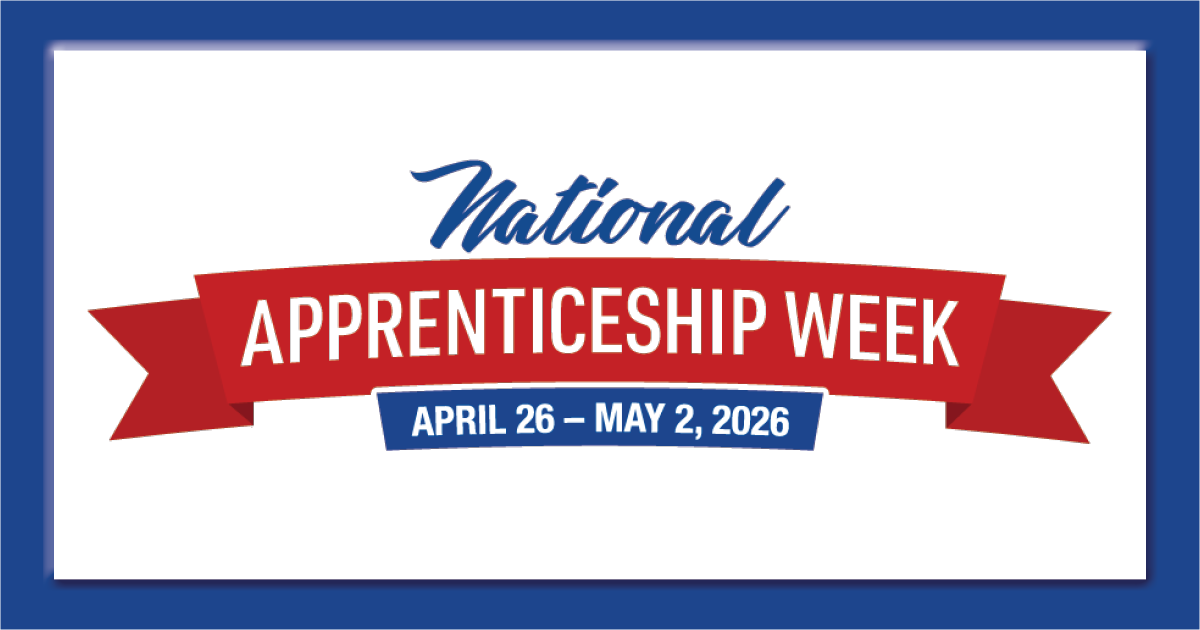
 National Apprenticeship Week (NAW) is here! From April 26 – May 2, the Ticket to Work (Ticket) Program joins partners across the country in celebrating the power of Registered Apprenticeships to build skills, open doors to growing industries, and create real pathways to long-term employment. This year marks the 12th annual NAW, themed “America at Work: Making America Skilled Again through Registered Apprenticeship.”
For Social Security disability beneficiaries exploring work, apprenticeships can be an especially valuable option. They offer paid, hands-on training, job-related education, and in some cases, even direct pathways to hiring. These opportunities are not just for young adults; they are available to people of all ages who are looking to build new skills or move into a different career field.
How Apprenticeships Support Your Career Goals
With an apprenticeship, you can:
- Earn money while gaining new, in-demand skills
- Build experience that employers look for
- Access training that leads to long-term career growth
- Explore industries such as IT, health care, manufacturing, and more
If you receive Social Security disability benefits (SSDI/SSI), you don’t have to navigate employment alone. Ticket Program service providers, including Employment Networks and State Vocational Rehabilitation agencies, can help you:
- Search for apprenticeship programs that match your goals
- Strengthen your resume
- Prepare for interviews
- Access ongoing, personalized support in your work journey
Finding Apprenticeship Opportunities
You can explore programs in your area or online through the Department of Labor’s apprenticeship finder.
This tool can help you discover openings in high-growth industries and learn more about requirements, timelines, and training structures.
Ready to Explore Apprenticeships? The Ticket Program Can Help
Whether you are returning to work, exploring a new field, or taking the first step toward long-term employment, apprenticeships offer flexible, supportive pathways to success.
A Ticket Program service provider can help you identify the right apprenticeship program that aligns with your skills and goals, prepare your application materials, connect with apprenticeship opportunities you may not find on your own, and stay motivated as you work toward your goals.
Use the Find Help Tool to locate Employment Networks or State Vocational Rehabilitation agencies that can help you search for an apprenticeship that matches your career goals, as well as offer interview preparation assistance and continuous supports to help you succeed in the workplace.
Learn More
When exploring apprenticeship opportunities, it’s important to remember that apprentices must be able to perform the essential functions of the job. Many apprenticeship programs, especially in the skilled trades — can be physically demanding. Workplace accommodations, which can include tools, modified processes, or adjustments to the work environment, often make it possible for apprentices to participate fully and safely.
To learn more about the Ticket Program, call the Ticket to Work Help Line at 1-866-968-7842. For callers who are deaf, hard of hearing, or have a speech disability, call 1-866-833-2967 (TTY). Hours are Monday through Friday, 8 a.m. to 8 p.m. ET; or visit choosework.ssa.gov.
 If you are receiving Social Security disability benefits and thinking about returning to work, you have probably heard about the
  Job fairs can be powerful stepping stones toward employment. They can offer direct access to hiring managers, on the spot interviews, and real time insights into local labor markets. But many job seekers don’t realize just how many free state and local resources exist to help them find these events — and how much support is available to help them prepare.
 Job fairs are one of the most powerful — and often overlooked — ways to meet real employers, uncover new opportunities, and make a lasting impression beyond an online application. Whether you’re searching for your very first role or looking to make a bold career move, the right job fair can open doors you didn’t even realize were there. With several exciting events just around the corner, now is the perfect time to explore what’s ahead and start planning your next big step.
 Have you had a break in your career? Are you trying to decide how to account for a gap in your employment history in your resume? This is not unusual. Due to organizational changes resulting in layoffs, time away from a job to care for others, or personal health matters, many people have breaks in their work experience.
 It's tax season! If you earned income in 2025, it is important to file your taxes to avoid tax penalties from the Internal Revenue Service (IRS). This blog post discusses a tax credit that may apply to you and free services available through the IRS.
 Ready to meet your next employer? Job fairs are one of the best ways to connect directly with employers, learn about open positions, and practice your interview skills. Whether you’re exploring your first job or aiming to take the next step in your career, attending a job fair can open doors you might not find online.
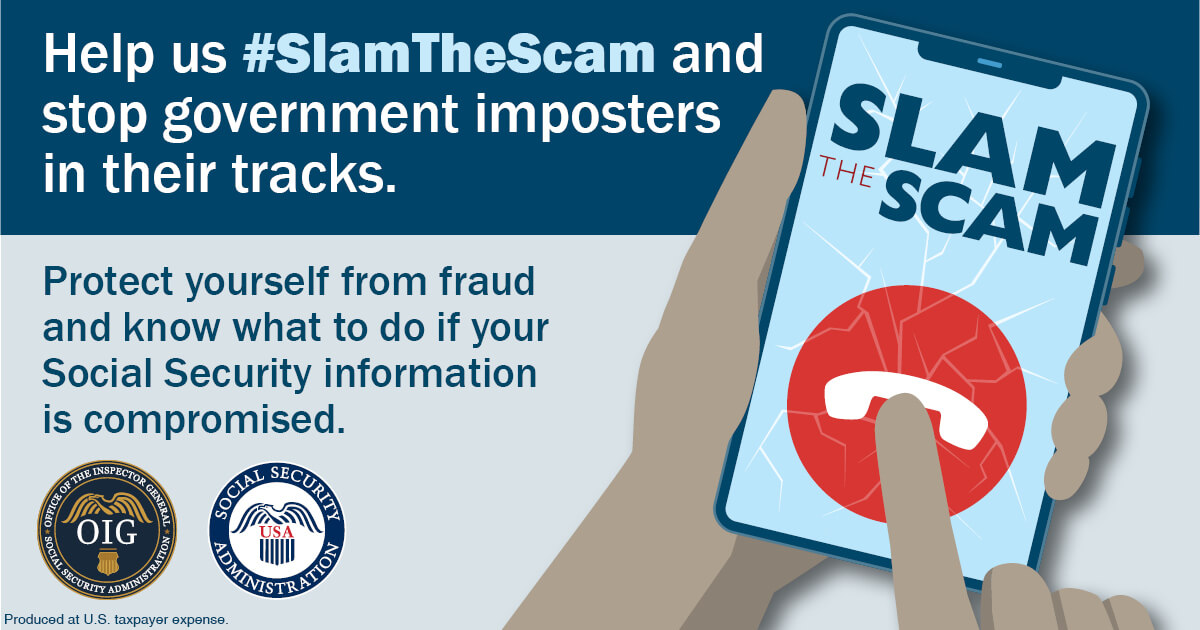 Scammers often target people who receive Social Security disability benefits. According to Social Security’s Office of the Inspector General (OIG), there has been a significant increase in scam emails pretending to be from the government and requesting or offering access to your Social Security information.
 Ready to meet your next employer? Job fairs are one of the best ways to connect directly with employers, learn about open positions, and practice your interview skills. Whether you’re exploring your first job or aiming to take the next step in your career, attending a job fair can open doors you might not find online.
 Every February 2, we watch a small, furry meteorologist emerge from his burrow and predict the weather. It’s a quirky tradition, but the real charm of Groundhog Day isn’t the forecast. It’s the idea of repeating the same day until something finally changes.